

Transforming your outdoor space through sustainable landscaping not only elevates the beauty of your home but also supports environmental health. Modern homeowners are increasingly seeking eco-friendly practices that conserve resources, lower maintenance costs, and ensure their gardens and lawns thrive naturally. By choosing guidance and services from local landscape companies, it becomes easier to adopt regionally appropriate and environmentally friendly techniques that create a paradise right outside your door. Sustainable landscaping incorporates thoughtful planning, responsible resource usage, and a commitment to supporting native wildlife. Prioritizing native plants, implementing smart water management, and utilizing innovative materials are just a few of the steps homeowners are taking to create lasting outdoor sanctuaries. Eco-conscious design not only benefits the planet—it also makes yard care more straightforward and more cost-effective in the long term. Today’s approach to landscaping emphasizes working with, rather than against, nature. From reducing water waste to improving biodiversity, each element in a sustainable landscape is designed for resilience, beauty, and environmental stewardship. As interest in sustainable living grows, modern landscapes blend form, function, and responsibility. Professionals who specialize in landscaping design & installation can help turn eco-friendly plans into reality, taking local climate, soil, and biodiversity into account for stunning results that require minimal intervention year after year.
Embracing Native Plants
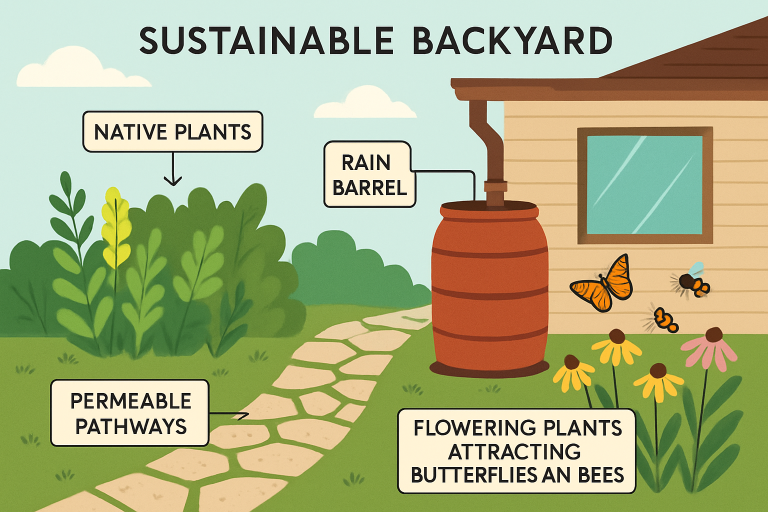
One of the most impactful sustainable landscaping practices is selecting native plants for your garden design. Native plants are naturally acclimated to regional climate and soil conditions, which means they thrive with less supplemental water and fewer chemical fertilizers or pesticides. Species selection varies by region, but some common choices include coneflowers, black-eyed Susans, and regional grasses. For residents in drier climates, xeriscaping with drought-tolerant succulents and wildflowers yields resilient and colorful outdoor spaces that resist harsh conditions. The benefits of native plant gardening extend to soil stabilization and the creation of habitats that support local beneficial wildlife. According to the National Audubon Society, native plants provide critical food and shelter for birds and pollinators while reducing the need for synthetic fertilizers.
Implementing Smart Irrigation Systems
Intelligent irrigation systems are transforming landscape water usage. Outfitted with soil moisture sensors and weather-based controllers, these systems automatically adjust watering schedules based on real-time environmental data. The result is up to 40% less water usage compared to conventional irrigation, allowing homeowners to use water more efficiently while maintaining healthy lawns and gardens. Besides lowering utility bills, these systems prevent common issues like overwatering and root rot. For those looking to minimize water use even further, drip irrigation delivers water directly to plant roots, eliminating wasteful runoff and evaporation.
Incorporating Permeable Hardscaping Materials
Replacing traditional pavement with permeable hardscaping is a crucial step toward achieving landscape sustainability. Permeable pavers, gravel, and natural stone paths allow rainwater to filter into the soil, thereby recharging local groundwater supplies and reducing the risk of flooding. This natural stormwater management approach prevents pollutants from entering waterways and helps mitigate urban heat island effects. Integrating permeable materials can transform driveways, patios, and walkways, enhancing the usability and visual interest of an outdoor area while remaining eco-friendly. According to the U.S. Environmental Protection Agency, permeable pavements significantly cut down stormwater runoff, promote groundwater recharge, and support local climate adaptation strategies.
Designing Pollinator-Friendly Gardens
Habitat loss has led to steep declines in pollinator populations worldwide; however, homeowners can make a positive difference by designing pollinator gardens. Planting a variety of flowering native species—such as milkweed, lavender, and bee balm—ensures that bees, butterflies, and hummingbirds have a year-round supply of nectar and refuge. Leaving patches of soil bare for native ground-nesting bees and providing shallow water sources further sustains these vital creatures. Pollinator-friendly gardens not only enhance biodiversity but also support fruit and seed production across the landscape.
Utilizing Recycled and Reclaimed Materials
Incorporating reused materials into landscaping elevates both ecological value and visual interest. Using reclaimed wood for raised garden beds, repurposed brick for walkways, or crushed recycled glass as mulch helps conserve natural resources and minimizes landfill waste. These elements create a one-of-a-kind look that reflects sustainability values and personal style. Salvaged materials are often more durable and unique than their new counterparts, making them ideal for eco-conscious projects.
Rainwater Harvesting Techniques
Harvesting rainwater for landscape use is an ancient yet highly effective practice that conserves potable water. Simple setups use rain barrels attached to downspouts, while expansive systems rely on underground cisterns to collect large quantities. This stored water can irrigate gardens, refill ponds, or clean outdoor furniture—significantly reducing reliance on municipal sources. Even in regions with irregular rainfall, captured rainwater provides a free and reliable supply for outdoor needs, making it a practical option for eco-minded homeowners.
Integrating Edible Landscaping
Blending beauty and utility, edible landscaping introduces fruit trees, berries, vegetable patches, and herb borders into residential gardens. Rather than planting solely ornamental varieties, homeowners create vibrant spaces that yield fresh, organic produce. Edible plants can replace traditional ground covers, line walkways, or accent garden beds, contributing to local food security and reducing transportation-related emissions. This approach brings a new layer of value and enjoyment to outdoor living.
Creating Low-Maintenance Landscapes
Designing a landscape that requires less care begins with selecting plants that are hardy and native to local conditions. Ground covers, mulches, and boulders can suppress weeds and reduce watering needs, while well-placed hardscaping minimizes the need for mowing and edging. Choosing sustainable materials and thoughtful layouts can provide years of low-effort beauty. Low-maintenance gardens free up your time for relaxation and enjoyment, allowing your landscape to thrive with little intervention while supporting ecological health. Implementing sustainable landscaping practices enhances your home’s curb appeal while supporting global environmental goals. From water-wise plant choices and smart irrigation to the use of recycled materials and support for pollinators, each step leads to healthier, more resilient landscapes and communities.